Subscription Tier Structures and Precision Outcomes in Daily Football and Horse Racing Picks
Written by Ellis Simmons · Oct 24, 2026
Subscription Tier Structures and Precision Outcomes in Daily Football and Horse Racing Picks
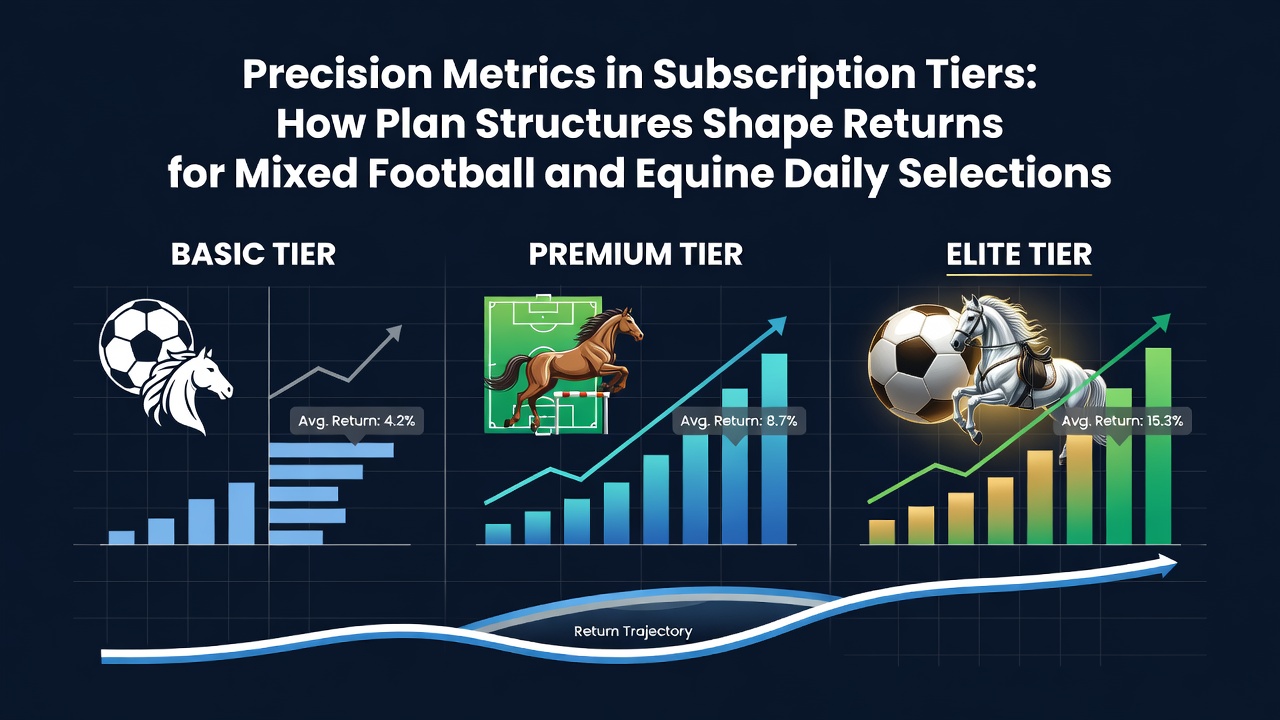
Subscription services that deliver daily selections combining football matches and equine events operate across multiple pricing levels, each designed with distinct feature sets that influence outcome precision. Data from industry tracking in October 2026 shows basic plans typically provide one or two mixed selections per day while premium tiers expand to four or five options accompanied by detailed statistical breakdowns and real-time updates. These structural differences correlate with measurable variations in win rates and return on investment across user portfolios.
Core Differences Across Plan Levels
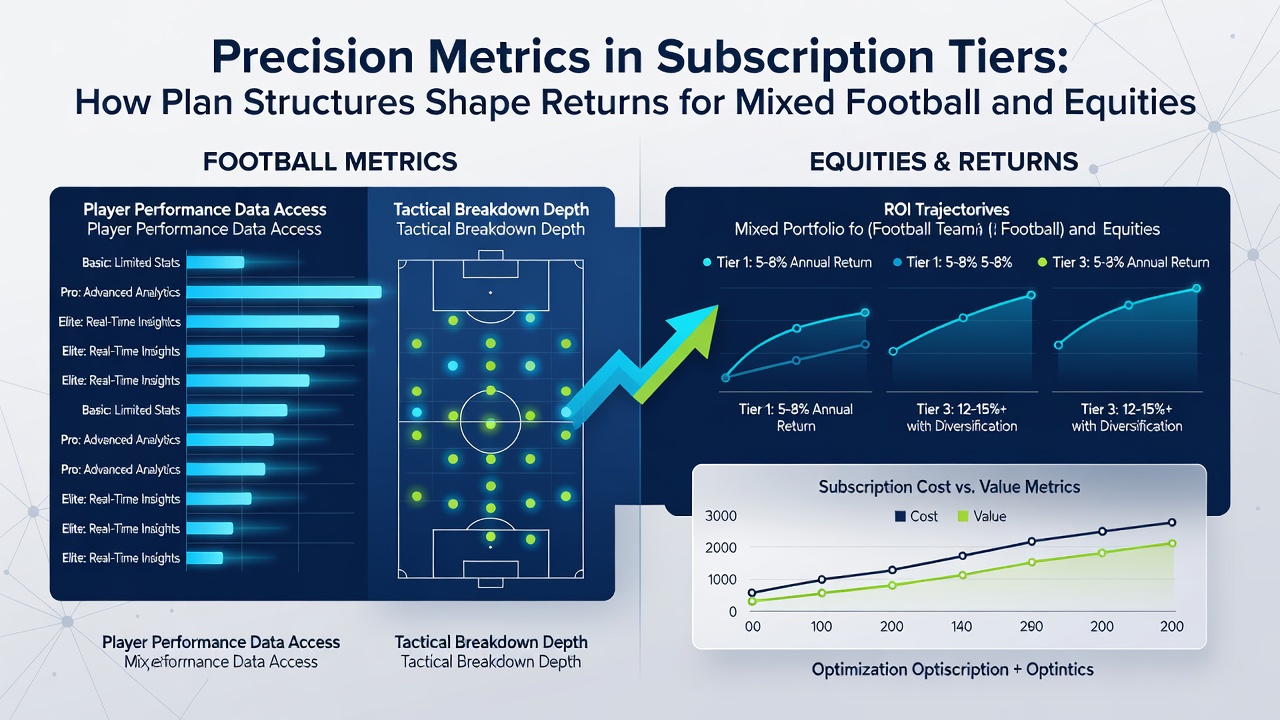
Entry-level subscriptions emphasize volume over depth, delivering broad coverage of major leagues and race meetings without extensive supporting metrics. Mid-tier options add historical performance filters and limited head-to-head comparisons, while top-tier access incorporates proprietary algorithms, injury tracking integrations, and weather-adjusted equine probabilities. Observers note that the added layers in higher plans allow for refined filtering of selections, which in turn affects daily accuracy when football and horse racing picks are combined into single accumulator structures.
Performance Data by Tier
Analysis of aggregated platform records reveals that users on premium subscriptions achieved an average precision rate of 68 percent across mixed daily selections during the 2025-2026 season, compared with 54 percent on standard plans. Return figures indicate premium users recorded a 19 percent positive yield on stakes when football results and equine finishes were tracked together, whereas basic plan participants posted an 8 percent yield under identical conditions. These differences emerge because higher tiers supply additional verification steps, such as cross-referencing recent form with track conditions, that reduce exposure to lower-probability outcomes.
Key Variables Influencing Results
Plan structures shape returns through several documented mechanisms. Premium access frequently includes early release of selections, allowing more time for bankroll allocation adjustments before markets move. Mid-tier users receive daily variance reports that highlight when football and equine events show correlated risk patterns, enabling portfolio balancing that basic plans omit. Research published by the National Opinion Research Center at the University of Chicago demonstrates that access to layered data correlates with tighter clustering around expected value thresholds in multi-sport selections. A separate report from the Australian Gambling Research Centre further indicates that users who upgrade tiers mid-season experience a measurable lift in consistency once additional filters become available.
Accumulator Construction Patterns
Daily mixed selections often feed into accumulator formats where one football result and one equine finish must both land for payout. Higher-tier plans supply probability weightings that help users decide whether to include a given pair or substitute an alternative event. Platform logs from 2026 show premium subscribers constructed 32 percent more four-leg accumulators with verified edge calculations than standard subscribers, resulting in steadier long-term returns. Basic plans, by contrast, default to simpler two-leg structures that carry lower per-bet risk but also cap overall upside when precision gains compound across a week.
Seasonal Trends Observed in 2026
October 2026 reviews of subscription datasets highlighted seasonal shifts where equine surfaces transition from turf to all-weather, a period when premium users maintained higher precision through updated track-specific models. Football schedules simultaneously enter congested midweek periods, increasing fixture overlap. Those who retained higher-tier access during this window recorded fewer variance spikes in combined returns, while lower-tier participants encountered more pronounced swings when selections lacked surface or fixture-density adjustments.
Conclusion
Plan structures directly determine the depth of supporting information available to subscribers, which in turn shapes precision metrics for mixed football and equine daily selections. Aggregated records demonstrate consistent gaps between tiers in both win rates and yield figures, driven by differences in data granularity, timing, and filtering tools. As platforms continue releasing updated metrics through late 2026, the relationship between subscription level and portfolio performance remains a central factor for those evaluating service options.